








Overcoming Obstacles: How Daniel Craig Mastered Craft & Escaped Early Typecasting
 January 16, 2026
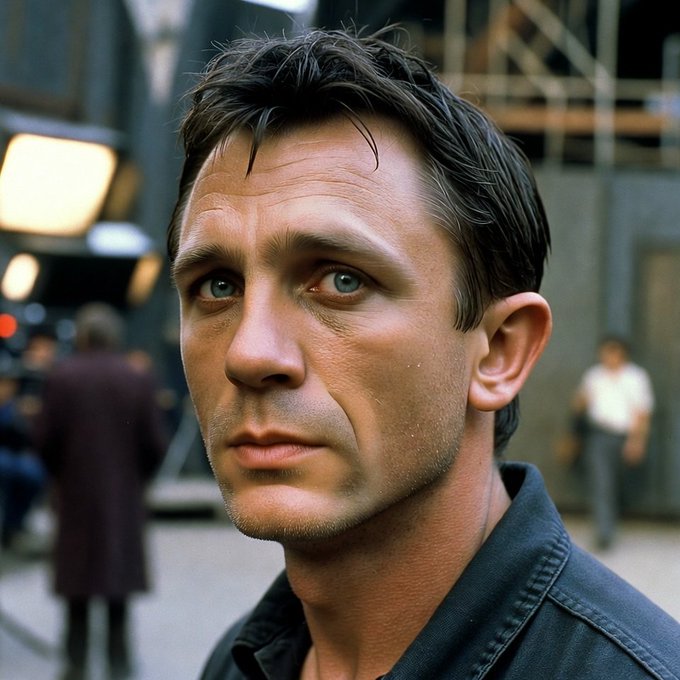
Get ready to spill the tea because we’re diving deep into the incredible glow up of one of Hollywood’s most enigmatic stars, Daniel Craig. You know him as the formidable James Bond, an iconic figure who redefined the super spy for a whole generation. But before he was shaken, not stirred, Craig faced a major uphill battle against early typecasting and a serious grind in the industry. This is his masterclass in overcoming obstacles and mastering his craft, a true Hollywood transformation journey.
Let’s take it back to the 1990s and early 2000s. While Daniel Craig might seem like an overnight sensation to some, his early career was far from glamorous. Picture this: a talented actor stuck in a seemingly endless loop of smaller British TV and film parts. We’re talking about roles where he often played the tough guy, the gritty villain, or the intense, slightly brooding character. He was brilliant in these parts, no doubt, but the industry was trying to put him in a very specific box. Talk about a vibe check that wasn’t quite hitting his full potential.
This wasn’t just a minor hurdle; it was a persistent pattern that could easily trap an actor. Imagine being constantly offered variations of the same character, knowing you have so much more to give. Many would have settled, but not Daniel Craig. He understood that true artistic growth often happens away from the glaring lights of the camera. And this, folks, is where his dedication to his craft truly shines. He didn’t just passively wait for bigger roles to come knocking; he actively honed his skills.
His secret weapon to level up his acting game was the stage. While the film world was busy typecasting him, Craig was tearing up the theater scene. Case in point: his absolutely acclaimed performances in Angels in America at the National Theatre way back in 1993. This was not just a side gig; it was a proving ground. On stage, actors develop a different kind of stamina, a deeper connection to character, and an undeniable stage presence. It’s a masterclass in acting craft that few big screen stars truly embrace with such fervor. His time in live theater was crucial; it allowed him to explore complex narratives, expand his emotional range, and ensure his skills were sharper than ever.
Beyond the stage, Craig’s journey was also defined by sheer persistence. He kept auditioning. He kept pushing for bigger projects. He refused to let the early industry labels define his entire trajectory. It’s a testament to his unwavering belief in his talent and his vision for his career. This wasn’t just about getting a job; it was about strategically navigating the film industry, always seeking roles that challenged him and allowed him to showcase new facets of his acting prowess. His dedication to breaking free from the “tough guy” mold was relentless.
Then came the roles that started to shift the narrative, leading up to the monumental casting as James Bond. Suddenly, the world woke up to the incredible range and magnetic screen presence of Daniel Craig. His portrayal of 007 wasn’t just a role; it was a career pivot, a defining moment that showcased everything he had meticulously built through years of hard work, stage acting, and persistent auditioning. He didn’t just play Bond; he became him, infusing the character with a raw vulnerability and intensity that captivated audiences worldwide.
So, what’s the ultimate takeaway from Daniel Craig’s journey? It’s a powerful reminder that true success often comes from refusing to be boxed in. It’s about consistently working on your craft, even when no one is watching, and persistently pursuing opportunities that align with your ultimate vision. From those early villainous roles in British TV to becoming a global megastar, Daniel Craig didn’t just escape typecasting; he shattered it, proving that with talent, dedication, and an unyielding spirit, you can truly master your own destiny in Hollywood and beyond. This is an iconic story of grit, talent, and a legendary transformation.